CHALLENGE
The existing identity — built on a dark, narrow palette and generic design elements — had served an earlier chapter. But as CloudZero’s market expanded and its story sharpened, the gap between product credibility and brand presence became harder to ignore. The team came to C42D with a clear mandate: evolve the visual identity to reflect a more confident, modern company without losing the equity in the logo or the trust they’d already built.
EXPLORATION
We kicked off with a collaborative workshop using FigJam, walking through goals, competition, audience, product, and the existing brand with their team. FinOut was winning the brand war in the FinOps category despite weaker product — brighter colors, tighter visual system, more recognizable presence at events. CloudZero’s identity, meanwhile, was anchored in a heavy black palette, generic design elements, and messaging built almost exclusively for engineers.
Through competitive analysis, audience mapping, and conversations with their sales team, a core insight emerged: CloudZero’s real promise was visibility. The ability to see what you couldn’t see before — where spend was going, what was driving it, and whether it was worth it. That concept became our creative compass. We also identified a practical reality that would shape the entire system: with no in-house designer and a team producing hundreds of assets through a patchwork of freelancers and outsourced platforms, whatever we built had to be usable by non-designers without falling apart.
VISUAL STRATEGY
We developed three mood board directions to test where the brand could go. The first explored the cloud as swirling, complex data — abstract patterns layered with a bitmap texture that gave imagery a tactile, almost printlike quality. The second leaned into a bespoke illustrative world built from primitives and geometric shapes. The third was the dark horse: an isometric design language with more structural depth and dimension.
CREATIVE DIRECTION
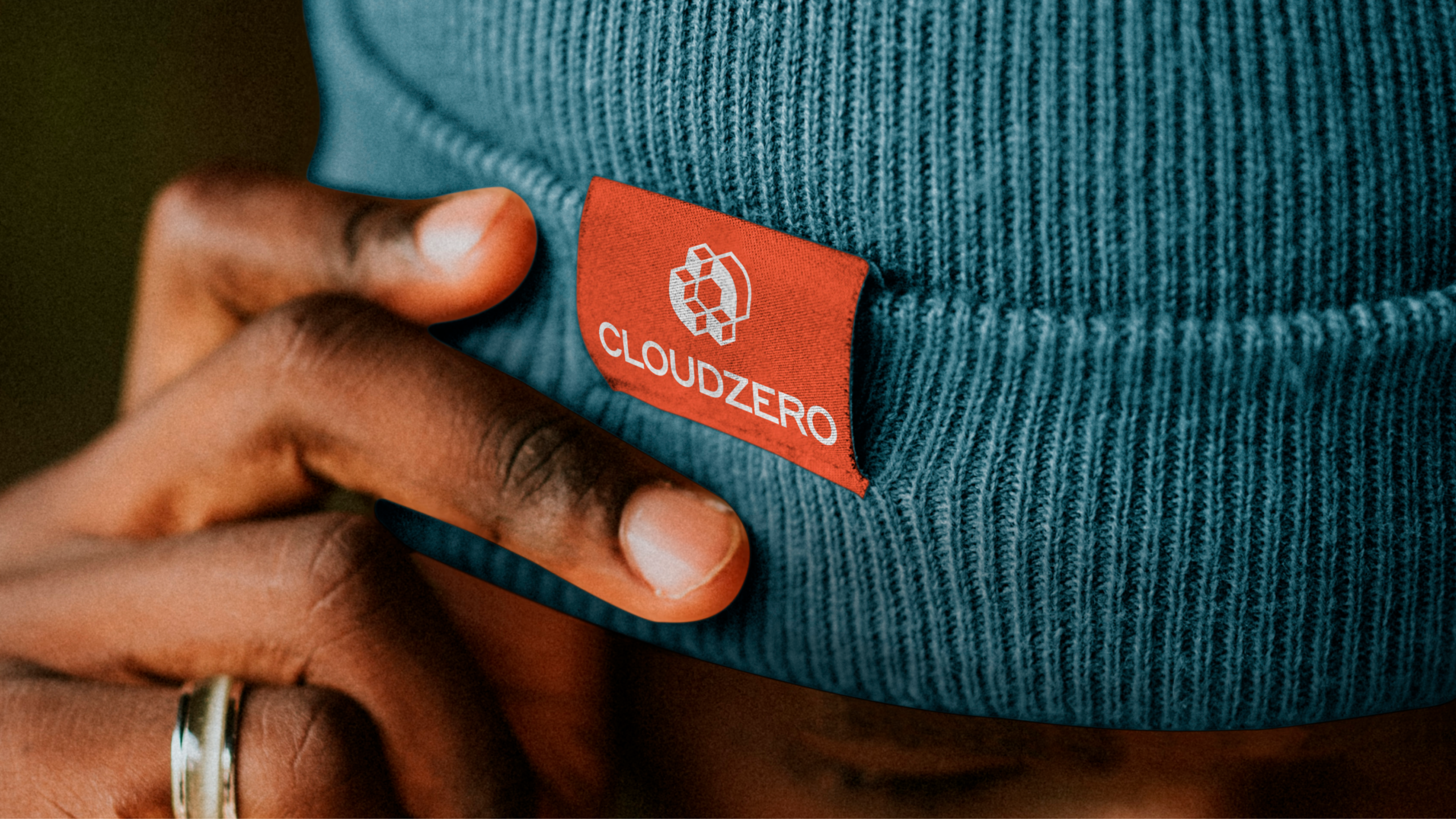
We translated the visual strategy into a comprehensive design system built to scale across every touchpoint. The logo stayed, but we gave it new life — refining how it behaves and creating bitmap and outline versions.
Typography moved from the existing Swiss typeface — too light, too hard for the team to access — to Inter for headlines and body, paired with Geist Mono for callouts and technical labels. The combination gave the brand a bold, modern voice while solving a real operational pain point: both are open-source and work natively across platforms.
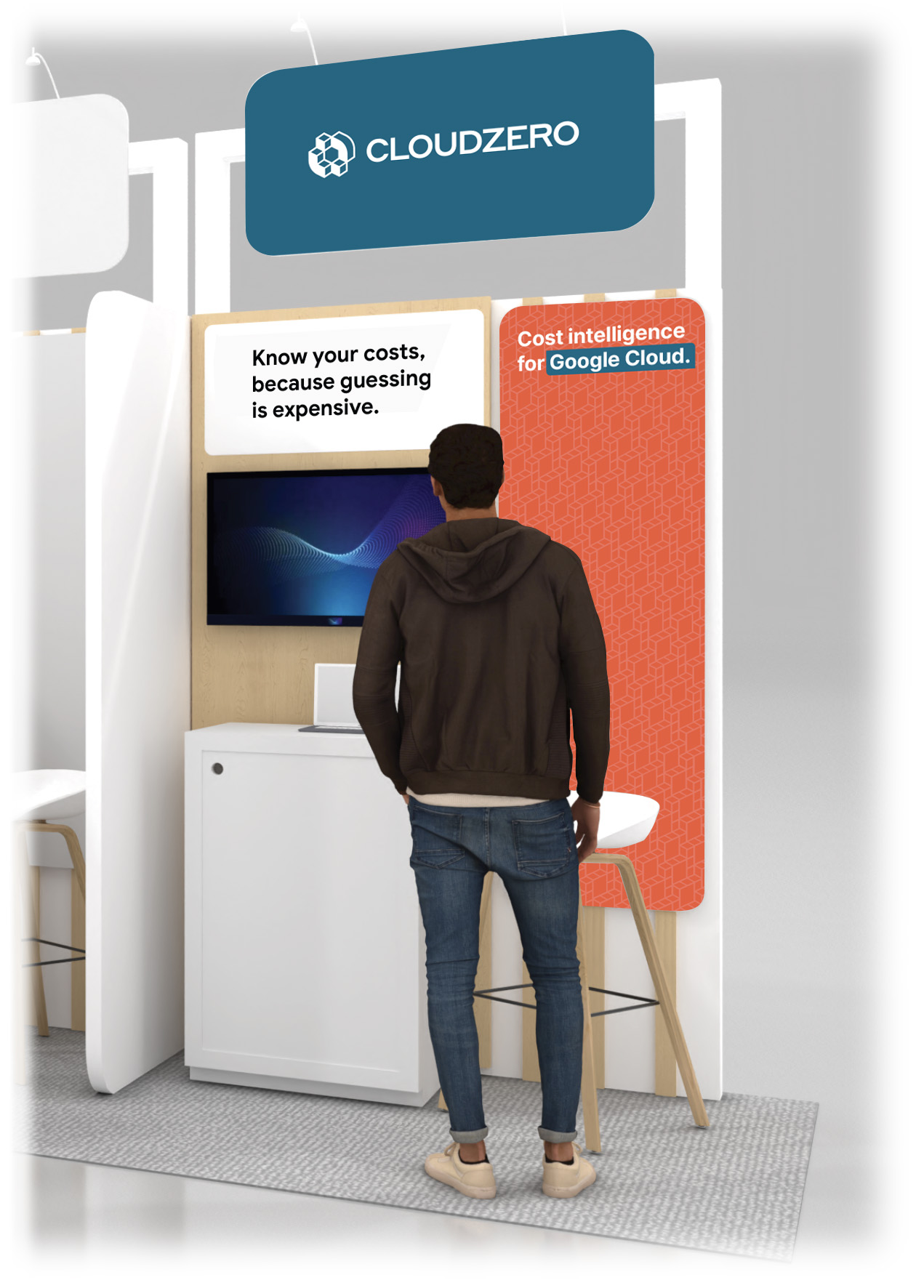
The system went deep on usable components. A highlight treatment using the neon teal (Insight Ice) became a signature text accent. Boxes, cards, and content modules were spec’d for web and marketing use. Two diagram styles — isometric and standard — gave the team a way to explain technical concepts without reverting to the dense, engineering-first visuals that had cluttered the old site. The bitmap texture from the visual strategy became a flexible imagery tool, with clear how-to guidance so even non-designers could apply it consistently.